Blog — ThreeTrees
Diamond vs moissanite: what's the difference, and which should you choose?
Diamonds and moissanite both sparkle beautifully, but they differ completely in origin, composition, value and meaning. This article helps you understand each so you can choose the right one for your occasion and budget.
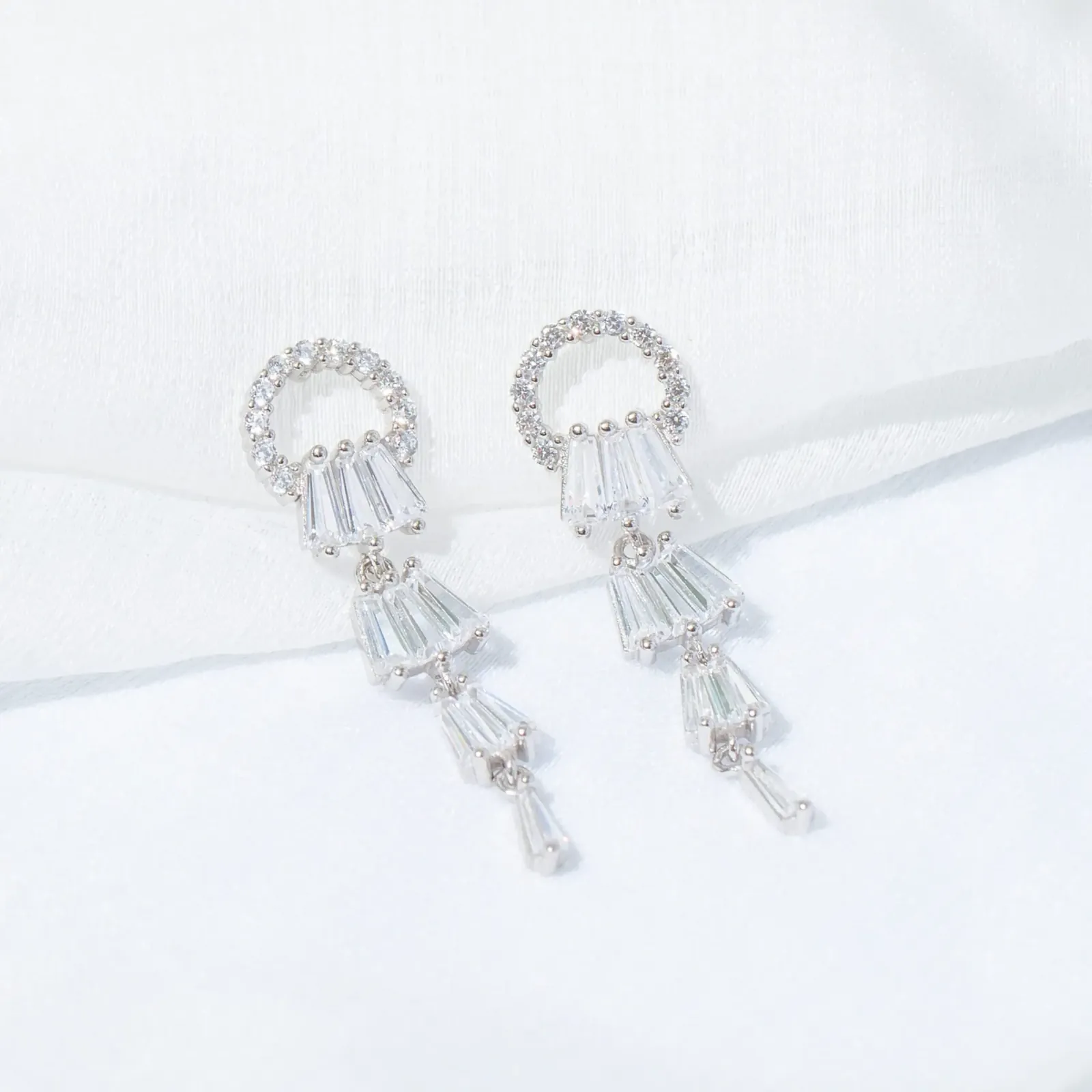
Faced with two equally bright white stones, many people find it hard to tell the diamond from the moissanite. The two look alike but are fundamentally different.
Origin and composition
Diamond is crystallised carbon, formed naturally deep in the earth over millions of years; today there are also lab-grown diamonds with the same composition. Moissanite is silicon carbide, which is very rare in nature, so almost all moissanite on the market is created in a laboratory.
Hardness and durability
Diamond scores 10 on the Mohs scale, the hardest of all minerals. Moissanite scores about 9.25, still durable enough for everyday wear.
Sparkle
Moissanite has stronger dispersion, so it often flashes more rainbow colours, especially in sunlight. Diamond gives a whiter, deeper, "calmer" light. This is the easiest difference to see side by side.
Value
At the same size, moissanite costs a fraction of the price of diamond. Diamonds are graded on the 4Cs (cut, colour, clarity, carat weight) and come with grading certificates, so they hold their value better when sold on or handed down.
Which should you choose?
- Choose diamond for an engagement ring, wedding ring or a gift with lasting meaning.
- Choose moissanite when you want a large, sparkling stone for fashion jewellery on a moderate budget.
If you are still unsure, visit ThreeTrees for personal advice.
Want to see it in person? Book an appointment at the ThreeTrees store.